

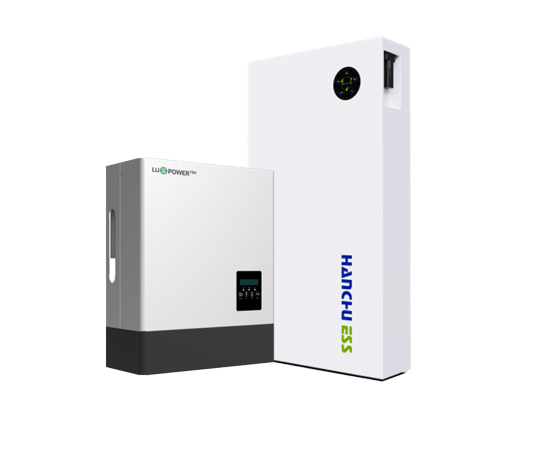
A dependable home energy storage system is built around priorities, not around the largest equipment rating a budget can buy. Nigerian households experience different grid conditions, generator habits, roof constraints, and daily routines. One family may need overnight lighting, internet, and refrigeration, while another wants to operate pumps, air conditioning, or home-office equipment. Defining which loads matter and how long they must run gives the project a clear technical target.
Begin with an energy audit. List each appliance, its running power, expected daily operating time, and any starting surge. Group the appliances into essential, flexible, and nonessential loads. Essential circuits might include lighting, security, refrigeration, communications, and selected sockets. Flexible loads can run when solar production is strong. High-demand equipment may require scheduling or a larger design. This simple classification helps control cost while protecting the services the household values most.
The solar array should reflect available roof area, orientation, shading, heat, dust, and the family’s daytime demand. Panel capacity alone does not guarantee useful production. String voltage and current must match the inverter, and the installation needs safe mounting, cable routes, isolation, surge protection, and earthing. Energy estimates should account for local weather and shading, while owners should follow the installer’s inspection and panel-cleaning guidance. Equipment should also remain accessible without exposing children or household activities to electrical hazards.
Battery storage should be planned around the timing of outages, not only a daily energy total. A family that needs evening refrigeration, fans, lighting, and internet may use stored energy differently from one with daytime home-office loads. Homeowners researching lux power options in Nigeria can use the company’s site to compare residential solar inverters, lithium batteries, smart monitoring, product guidance, and local after-sales support. Compatibility and service affect the full system rather than one component in isolation.
Daily routines should influence the operating plan. Flexible loads such as water pumping, ironing, or some cooling can be scheduled when solar output is strong. A defined battery reserve can protect essential evening use when the grid fails late in the day. The inverter must still support simultaneous loads and relevant starting surges, but the household can often improve performance by changing when certain appliances run. Clear rules are easier for every family member to follow than technical settings alone.
Generator integration deserves deliberate planning. Some households want the generator to remain available for extended poor weather or unusually high demand. In that case, the installer should confirm the supported input, charging limits, changeover arrangement, neutral and earth design, and operating sequence. A battery can reduce generator runtime, but savings depend on solar production, household consumption, fuel cost, and control settings. The goal is coordinated operation, not simply connecting every available source to the same system.
Monitoring helps the owner understand results after commissioning. Energy-flow screens can show whether solar is serving loads, charging the battery, or interacting with the grid. Historical data can reveal when consumption rises and whether the battery reaches its reserve too early. Owners can adjust daily habits or request a settings review based on repeated patterns. Technical parameters should only be changed with proper guidance, because incorrect limits may affect backup availability, battery life, or safe grid and generator operation.
Local support makes a major difference over the system’s working life. Before buying, confirm who will install the equipment, provide training, respond to alarms, source accessories, and manage warranty cases. Keep quotations, manuals, serial numbers, commissioning results, settings records, and a single-line diagram. The household should know how to isolate the system safely and which circuits remain backed up. Good documentation allows another qualified technician to understand the installation if the original installer is unavailable.
Finally, review the proposal as a complete project. Compare expected capability, protected loads, usable battery energy, solar input, installation protections, monitoring, training, and service responsibility. Leave expansion space only where the equipment and electrical design genuinely support it. A well-planned system may be smaller than an impulse purchase, yet more useful because every component has a defined role. Clear priorities, compatible equipment, careful installation, and local support create the foundation for reliable household energy storage.