

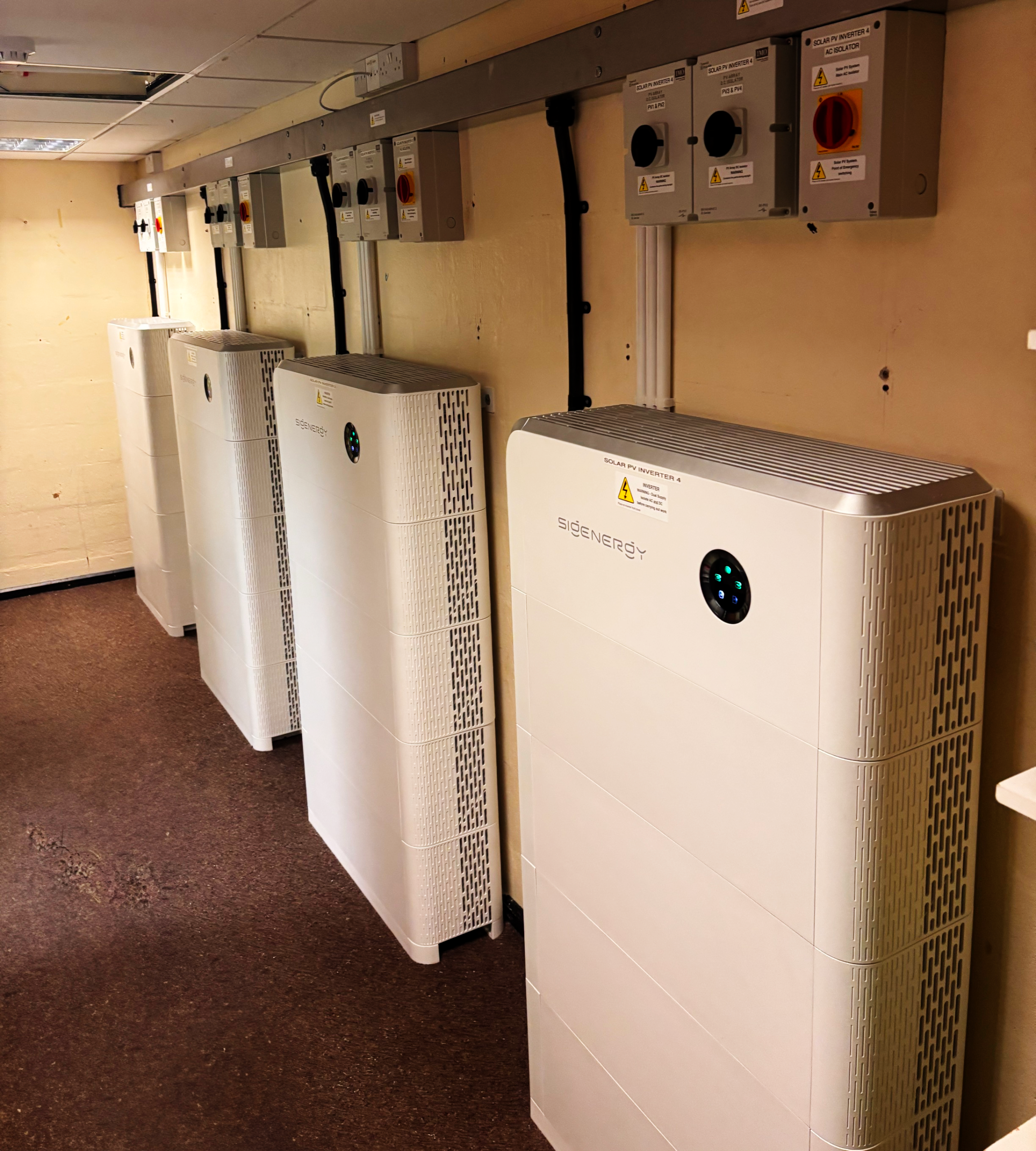
Solar panels are most productive when many homes are quiet. The dishwasher is off, the EV is gone, the oven is cold, and nobody has turned on the evening lights. Then sunset arrives, the house wakes up, and the panels are done for the day.
That mismatch is why so many solar owners start looking at batteries. A battery turns midday solar into evening electricity.
Self-consumption, in plain terms
Solar self-consumption means using the electricity your own panels generate instead of exporting it to the grid. Without storage, a home uses solar only when production and demand happen at the same time. With storage, extra solar can charge the battery and serve the home later.
This matters more as export credits change. In some markets, selling excess solar back to the grid is less valuable than using that energy onsite. A battery can help preserve more of the solar system’s value inside the home.
The National Renewable Energy Laboratory has found that storage can increase the value of distributed solar by shifting generation into periods when the home or grid needs it more. The exact value depends on rates, policies, system size, and operation.
Evening loads are different
A typical evening does not always look heavy on paper, but it is packed with overlapping loads. Cooking, lighting, laundry, TV, computers, HVAC, and EV charging can all crowd into the same window.
The U.S. Energy Information Administration says the average residential electric-utility customer bought about 899 kWh per month in 2022. That average hides the daily shape of use. Solar owners care about the shape because the bill is affected by when electricity is imported and exported.
A home energy storage system can flatten that mismatch. It absorbs production during strong sun hours, then discharges when the home starts pulling from the grid.
Sizing for behavior, not bragging rights
Bigger is not always better. If the battery is too small, it fills early and exports the rest. If it is too large, the extra capacity may sit unused for much of the year. Good sizing starts with load data, solar production, and evening usage patterns.
The questions are practical:
- How much solar is exported on a normal day?
- What are the evening peak hours?
- Is there an EV charging at night?
- Does the home need backup reserve?
- Are heat pumps or electric water heaters part of the load?
SigenStor’s modular battery approach helps because the system can be expanded as usage grows. Sigenergy’s BAT 6.0 and BAT 9.0 LFP modules offer 6.02 kWh and 9.04 kWh building blocks, with stacking options that can reach about 54 kWh per stack. LFP refers to lithium iron phosphate, a battery chemistry known for stability and long cycle life in stationary storage.
Backup is the bonus that changes priorities
Many homeowners begin with bill savings and end up valuing backup just as much. A grid-tied solar system without backup equipment may shut down during outages for safety. Solar-plus-storage can keep selected loads running while safely isolating the home from the grid.
The trick is deciding how much battery capacity can be used each evening and how much should remain reserved for outages. That decision can change by season. A household may keep a higher reserve during wildfire, hurricane, or winter storm periods, then use more capacity for daily solar shifting during calmer months.
A Sigen Energy Controller setup can connect solar input, battery conversion, and backup behavior inside one coordinated architecture. That integrated design is useful because self-consumption is not a single device problem. It is a timing problem across the whole home.
Solar panels make electricity when the sun cooperates. A well-managed battery helps the home use that electricity when life actually happens.