

Commercial storage can look deceptively simple on a proposal: a battery size, a power rating, a price, and an estimated payback. The real decision is bigger than that. A BESS has to fit the building, tariff, safety requirements, operating staff, and future electrical plans.
The smartest buyers start with the job, not the equipment.
Define the Business Case First
A commercial battery energy storage system stores electricity and dispatches it when the site benefits. That benefit may be demand-charge reduction, solar self-consumption, outage backup, EV charging support, participation in a utility program, or several of those at once.
Each use case changes the design. Peak shaving needs forecasting and cycling. Backup needs reserve capacity and prioritized loads. EV charging support may need high power output. Solar self-consumption needs coordination with production and site demand.
The International Energy Agency’s 2024 battery report said new power-sector battery additions reached 42 GW in the prior year. More options are entering the market, which makes disciplined comparison more important.
Safety Is More Than Chemistry
Battery chemistry matters, and LFP, or lithium iron phosphate, is widely used in stationary storage because it is known for stability and cycle life. But safety also includes enclosure design, thermal monitoring, battery management software, fire detection, spacing, emergency access, and code compliance.
In U.S. projects, standards such as NFPA 855 and UL 9540A often come up during review. A vendor should be able to explain how the system addresses those requirements in language a facilities team can understand.
If the safety answer is vague, the proposal is not ready.
Scalability Is a Real Cost Issue
A business may add solar, fleet charging, refrigeration, process equipment, or more backup loads after the first battery project. A system that cannot expand may force expensive redesign later.
That is why buyers should look beyond price per kWh. Electrical space, switchgear capacity, communications, service access, and software visibility all affect long-term cost.
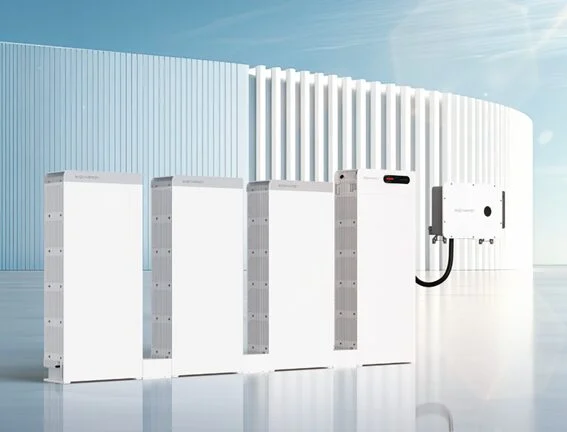
A broader C&I energy storage solution can be a better comparison point than a standalone battery quote because the controls, gateway, inverter architecture, and monitoring experience all influence the final result.
O&M Should Be Clear Before Signing
Operations and maintenance are easy to ignore during procurement. They become important the first time an alarm appears or savings do not match the forecast.
Facility teams should know who monitors the system, who receives alerts, what response times apply, how firmware updates are handled, and what performance data is available. The National Renewable Energy Laboratory has emphasized in storage planning that value depends on operation, not just installed capacity.
A good dashboard should show battery state of charge, site load, solar production if present, dispatch history, alarms, temperature status, and estimated savings. Multi-site owners may also need portfolio reporting.
The Final Shortlist
Before choosing a commercial BESS, ask five questions:
- What bill charge or operational risk is being reduced?
- How were power and energy capacity sized?
- Which loads are backed up and for how long?
- Which standards and local approvals apply?
- Can the system expand for EV charging or more solar?
For sites that expect growth, a commercial modular storage system may be easier to justify than a fixed one-off installation.
The right commercial storage system should make the building more flexible, not more complicated. If the proposal cannot explain savings, backup behavior, safety, expansion, and monitoring in plain language, it needs another round of questions before approval.